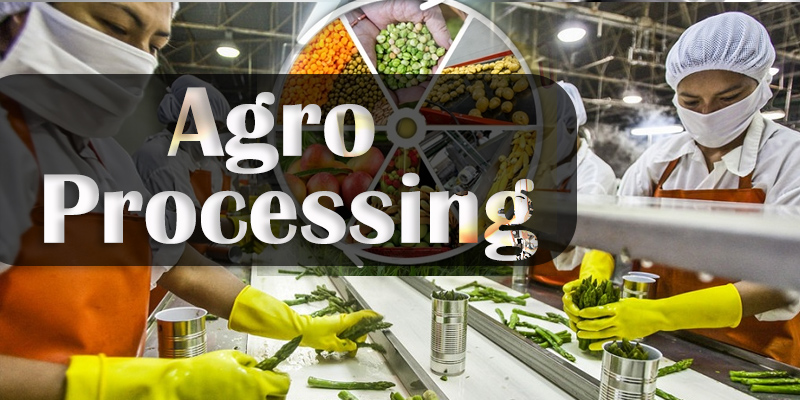
آئی ٹی آئی ٹریڈ: ایگرو پروسیسنگ (Agro Processing)
کورس کا تعارف
ایگرو پروسیسنگ ٹریڈ Craftsmen Training Scheme (CTS) کے تحت National Council for Vocational Training (NCVT) کی جانب سے چلایا جانے والا ایک مہارت پر مبنی اور روزگار پر مرکوز پیشہ ورانہ کورس ہے۔ اس کورس کا مقصد طلبہ کو زرعی مصنوعات کی پروسیسنگ، پیکیجنگ اور محفوظ کرنے سے متعلق ضروری تکنیکی علم اور عملی مہارتیں فراہم کرنا ہے۔
اس ٹریڈ میں خام زرعی پیداوار کو مارکیٹ کے قابل مصنوعات میں تبدیل کرنے کا مکمل عمل سکھایا جاتا ہے۔ یہ کورس طلبہ کو فوڈ پروسیسنگ انڈسٹریز، پیکیجنگ یونٹس، کوالٹی کنٹرول لیبارٹریز اور خود روزگار یا کاروباری مواقع کے لیے تیار کرتا ہے۔
کورس کی تفصیلات
- کورس کا نام: ایگرو پروسیسنگ
- تربیتی اسکیم: Craftsmen Training Scheme (CTS)
- سرٹیفکیشن اتھارٹی: NCVT (National Council for Vocational Training)
- کورس کی مدت: 1 سال (عموماً 2 سمسٹر)
- اہلیت: دسویں جماعت پاس
- عمر کی حد: ادارے کے قواعد کے مطابق (عموماً 14 – 40 سال)
کورس کا ڈھانچہ
1. ڈومین ایریا (ٹریڈ تھیوری اور پریکٹیکل)
اس حصے میں ایگرو پروسیسنگ انڈسٹری سے متعلق تفصیلی نظریاتی علم اور عملی مہارتیں فراہم کی جاتی ہیں۔
- ایگرو پروسیسنگ کا تعارف اور اس کی اہمیت
- خام مال کی خریداری اور معیار کا کنٹرول
- ابتدائی پروسیسنگ کے طریقے (صفائی، چھانٹی، گریڈنگ)
- پروسیسنگ کے مراحل (گرائنڈنگ، ایکسٹریکشن، کنسنٹریشن)
- پیکیجنگ اور محفوظ کرنے کے طریقے
- مشینری کا استعمال اور دیکھ بھال
- خوراک کی حفاظت اور معیار کے اصول (HACCP, GMP)
- فضلہ مینجمنٹ اور ماحولیاتی امور
2. کور ایریا (Employability اور Life Skills)
- موثر ابلاغ اور ٹیم ورک
- وقت کا انتظام اور تنظیمی صلاحیتیں
- بنیادی حساب کتاب اور لاگت کا کنٹرول
- کاروباری صلاحیت اور بزنس مینجمنٹ
- کسٹمر سروس اور پیشہ ورانہ اخلاقیات
- جدید آلات اور ٹولز کا استعمال
سیکھنے کے نتائج (Learning Outcomes)
- خام مال سے لے کر حتمی پیکیجنگ تک مکمل عمل کو سمجھنا
- ایگرو پروسیسنگ مشینری کو محفوظ اور مؤثر انداز میں چلانا
- معیار کے کنٹرول اور خوراکی تحفظ کے اصولوں پر عمل کرنا
- پروسیسنگ، پیکیجنگ اور اسٹوریج کے کام انجام دینا
- فضلہ مینجمنٹ اور ماحولیاتی چیلنجز سے نمٹنا
- پیشہ ورانہ زندگی میں ضروری سافٹ اسکلز کا استعمال
- ایگرو پر مبنی صنعتوں میں خود روزگار کے مواقع تلاش کرنا
روزگار کے مواقع
- فوڈ پروسیسنگ انڈسٹری میں آپریٹر
- کوالٹی کنٹرول ٹیکنیشن
- پیکیجنگ اور پروسیسنگ اسپیشلسٹ
- مشینری مینٹیننس ٹیکنیشن
- پیداواری یونٹ میں سپروائزر
- اپنا ایگرو پروسیسنگ یونٹ قائم کرنا
خود روزگار کے مواقع
- چھوٹے پیمانے پر فوڈ پروسیسنگ اور پیکیجنگ یونٹ قائم کرنا
- پھلوں، سبزیوں اور دودھ سے بنی مصنوعات کی پروسیسنگ
- کوالٹی کنٹرول اور ایگرو پروسیسنگ مشاورتی خدمات
- کسانوں اور کوآپریٹو اداروں کے لیے کنٹریکٹ پروسیسنگ
مزید تعلیم اور کیریئر میں ترقی
- فوڈ ٹیکنالوجی یا ایگریکلچر انجینئرنگ میں ڈپلومہ یا ڈگری
- خوراکی تحفظ اور کوالٹی مینجمنٹ میں خصوصی تربیت
- سپروائزری اور مینجمنٹ عہدوں کے لیے مینجمنٹ ٹریننگ
ایگرو پروسیسنگ ٹریڈ کے فوائد
- کم مدت کا کورس اور بہتر آمدنی کے مواقع
- ڈگری کورسز کے مقابلے میں کم فیس
- انڈسٹری میں براہِ راست روزگار کے مواقع
- مہارت پر مبنی تربیت کے ذریعے ملازمت کا تحفظ
- ملکی اور بین الاقوامی مواقع
روزگار فراہم کرنے والی صنعتیں
- فوڈ پروسیسنگ انڈسٹریز
- پیکیجنگ اور اسٹوریج یونٹس
- زرعی مصنوعات پروسیسنگ پلانٹس
- کولڈ اسٹوریج اور ڈسٹری بیوشن کمپنیاں
- ہول سیل اور ریٹیل فوڈ ڈسٹری بیوشن ادارے
- برآمدی نوعیت کی ایگرو انڈسٹریز
نتیجہ
آئی ٹی آئی ایگرو پروسیسنگ ٹریڈ ایک صنعت دوست اور کیریئر پر مبنی پیشہ ورانہ کورس ہے۔ یہ کورس سرکاری ملازمت، نجی شعبے میں کام یا اپنا کاروبار شروع کرنے کے لیے ضروری مہارت اور علم فراہم کرتا ہے۔ عملی تربیت، مستند سرٹیفکیشن اور بہتر کیریئر مواقع اس ٹریڈ کو طلبہ کے لیے ایک بہترین انتخاب بناتے ہیں۔
ٹریڈ کی قسم
نان انجینئرنگ ٹریڈ
Trade Type
Below is the detailed syllabus for the Trade Practical component of the ITI Trade "Agro Processing." This hands-on section is designed to equip students with the technical skills required to process agricultural products, operate machinery, ensure quality control, and maintain safety standards in the agro-processing industry.
Trade Practical Syllabus for ITI Trade "Agro Processing"
Pre-Processing Techniques
- Cleaning: Use manual and mechanical methods (e.g., sieves, blowers) to clean raw agricultural products.
- Sorting and Grading: Sort and grade products based on size, color, and quality using graders and sorting tables.
- Washing and Drying: Wash and dry products to prepare them for further processing.
Processing Methods
- Milling and Grinding: Operate mills and grinders to process cereals, pulses, and spices into flours and powders.
- Oil Extraction: Use oil expellers and filters to extract and refine oils from oilseeds.
- Drying and Dehydration: Practice moisture removal techniques with dryers and dehydrators for fruits, vegetables, and spices.
- Canning and Preservation: Gain hands-on experience with canning equipment and preservation methods (e.g., heat treatment, preservatives).
- Specialized Processing: Learn techniques for specific products like rice parboiling, soya processing, and spice blending.
Packaging and Labeling
- Material Selection: Choose appropriate packaging materials (e.g., bags, containers, vacuum packs) for processed products.
- Packaging Operations: Operate packaging machines to seal and pack products while maintaining hygiene.
- Labeling: Apply labels with required details (e.g., product name, ingredients, expiry date) as per industry standards.
Quality Control Tests
- Moisture Testing: Conduct moisture content tests using moisture meters.
- Purity Checks: Perform purity assessments and visual inspections for contaminants.
- Sensory Evaluation: Assess sensory qualities (e.g., taste, texture, color) of processed products.
- Documentation: Record and interpret test results to ensure compliance with quality standards.
Machinery Operation and Maintenance
- Equipment Handling: Operate key agro-processing equipment (e.g., mills, grinders, extractors, dryers) under supervision.
- Maintenance Tasks: Perform routine cleaning, lubrication, and adjustments on machinery.
- Troubleshooting: Identify and resolve common operational issues in processing equipment.
- Safety Protocols: Follow safety guidelines while handling machinery and tools.
Product-Specific Practical Sessions
- Pulses: Practice dehusking, splitting, and polishing.
- Cereals: Perform milling and fortification.
- Spices: Grind, blend, and package spices.
- Oilseeds: Crush, extract, and refine oils.
- Rice and Soya: Process through parboiling, puffing, and texturizing.
Safety and Hygiene Practices
- Protective Gear: Demonstrate proper use of personal protective equipment (PPE) in the processing unit.
- Sanitation: Practice hygiene protocols to prevent contamination.
- Safety Measures: Implement precautions for handling heavy machinery and sharp tools.
- Emergency Training: Participate in emergency drills and first-aid exercises.
Simulated Projects
- End-to-End Processing: Work on small-scale projects to process a specific agricultural product from start to finish.
- Team Workflow: Collaborate in teams to simulate a processing unit, covering pre-processing, processing, quality checks, and packaging.
This syllabus provides comprehensive practical training, ensuring students develop the skills needed to excel in the agro-processing industry. Through hands-on experience, they will be prepared for roles such as Quality Analyst, Supervisor, or Skilled Worker in agro-processing units.
- 464 views